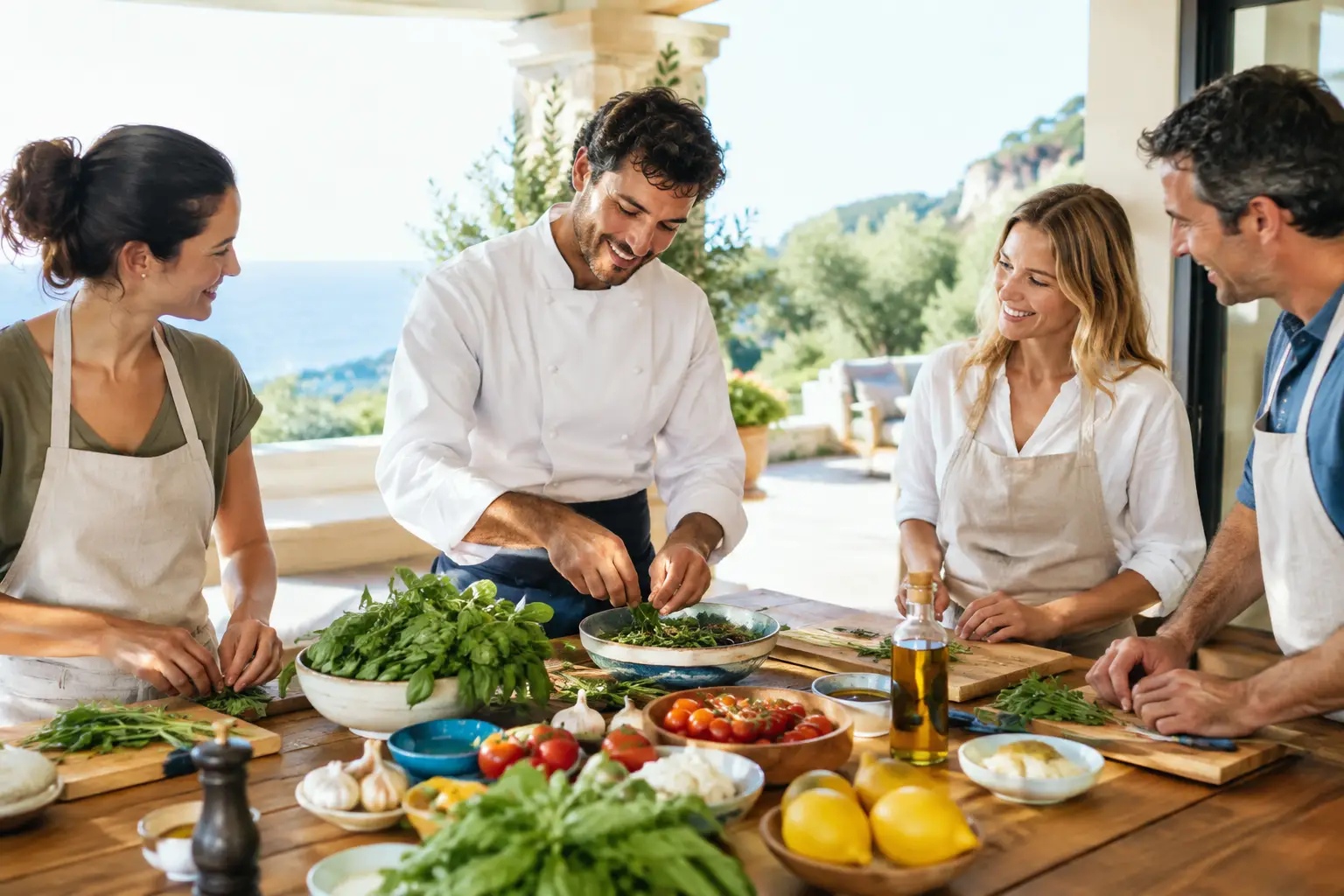
How to Host a Cooking Class at Your Villa

A cooking class changes the rhythm of a villa day. Instead of organizing a reservation, arranging transport, and watching the clock, your group gathers in the kitchen with ripe tropical ingredients, a chef’s guidance, and enough time to enjoy what you make. If you are wondering how to host a cooking class during a South Caribbean stay, the best experiences begin with a little planning behind the scenes.
The goal is not to turn your vacation into a formal culinary course. It is to create a relaxed, beautifully organized afternoon in which the food feels connected to Costa Rica and every guest has a place at the table.
Start with the kind of experience you want to share
Before choosing dishes, decide what you want the class to feel like. A couple celebrating an anniversary may prefer a more intimate lesson followed by a plated meal. A family might want approachable tasks that let children and adults participate at their own pace. A group of friends may be most interested in an energetic, social afternoon with a tropical cocktail, shared preparation, and a generous lunch or early dinner.
This decision shapes the menu, the class length, and the amount of hands-on work. A thoughtful cooking class is not simply a chef preparing food while guests watch. It should include a balance of demonstration, participation, conversation, and time to sit down together.
For a private villa experience, three dishes are often the right scope. It gives guests a meaningful introduction to technique without crowding the schedule or leaving everyone tired before the meal begins. A four-hour format works particularly well: there is time to prepare, cook, plate, and enjoy the results without rushing through the details that make the dishes memorable.
Choose a menu that suits the setting
The most successful villa cooking class menus are specific to place. In Puerto Viejo and along Costa Rica’s South Caribbean coast, that might mean working with plantains, coconut, fresh herbs, seasonal fruit, local fish, cassava, or bright citrus. The menu should feel refined enough for a special occasion while remaining realistic for the villa kitchen.
A good chef can build a progression that teaches different skills. One dish may focus on knife work and seasoning, another on creating a coconut-based sauce or cooking a staple properly, and a final course on presentation. The result is more interesting than three versions of the same technique.
Keep dietary needs in the conversation from the beginning. Vegetarian, vegan, gluten-conscious, and other preferences can often be accommodated through menu design, but a chef needs advance notice to plan ingredients and avoid last-minute substitutions. For serious food allergies, share the details clearly before booking. No private kitchen can promise an allergy-free environment, but transparent communication gives the chef the information needed to assess what is possible.
Let the ingredients lead, not a rigid recipe
Vacation cooking should leave room for seasonality. A particular fruit may be at its peak, or the day’s best seafood may influence a course. This does not mean the menu should be vague. It means that a chef-led class can preserve the spirit of the planned dishes while making thoughtful adjustments based on quality and availability.
Ask for recipes after the class if you would like to recreate the meal at home. The best recipes include practical notes about substitutions, because a Caribbean ingredient that is abundant in Costa Rica may be harder to find in a US kitchen.
Assess your villa kitchen before you book
A beautiful vacation rental does not always have a kitchen designed for a cooking event. This is one of the most useful details to confirm early, especially for groups. A chef should know whether the space has a working stovetop, oven if the menu requires one, refrigerator space, reliable water, sufficient counter area, and basic cookware.
Photos or a short video of the kitchen are often more helpful than a written description. They allow the chef to see the layout, identify any limitations, and plan what equipment to bring. Outdoor kitchens can be wonderful for a tropical class, but weather cover, lighting, and access to refrigeration still matter.
The kitchen does not need to be restaurant-sized. In fact, an intimate layout can make the afternoon feel warm and personal. It does need to allow for safe movement, clean preparation surfaces, and a comfortable way for guests to gather without blocking the cooking area.
If you are hosting a larger party, consider dividing participation into moments rather than having every person work at the counter at once. Some guests can prepare ingredients while others observe a demonstration, set the table, or enjoy a welcome drink. This keeps the experience inclusive without making the kitchen feel crowded.
Set a pace that feels like vacation
Timing is where a polished cooking class separates itself from a rushed activity. Plan the class at an hour that works with the rest of your day. An afternoon session may be ideal after a morning at the beach, while a late-morning class can become a leisurely lunch. Avoid squeezing it between a long excursion and dinner plans.
Allow a little buffer before the chef arrives. Guests should have time to return to the villa, change, and settle in. The kitchen should be reasonably clear, although you should not be expected to stage it like a professional workspace. A private chef service should manage ingredient organization, preparation, and cleanup as part of the hospitality.
It also helps to decide whether the class is the central event or part of a larger celebration. For a birthday or reunion, the cooking can lead naturally into a decorated table, music, and a longer meal. For a quieter evening, the class itself may be the occasion.
Give guests a role, but do not force participation
Not everyone travels with the same appetite for chopping, stirring, or learning technique. The best host makes participation feel inviting rather than mandatory. Let enthusiastic cooks take on more involved tasks, while guests who prefer to observe can still taste, ask questions, and enjoy the conversation.
A chef-led class should be adaptable in this way. Some groups want detailed instruction on each ingredient and method. Others want a lighter touch, with a few memorable techniques and more focus on the shared meal. Mention your group’s style in advance so the experience can be paced accordingly.
Children can be included when the menu and tasks are appropriate, but this depends on their ages and the kitchen layout. Simple assembly, seasoning, and plating are often better choices than assigning work around hot pans or sharp knives.
Create a table worth lingering at
The meal after the cooking is not an afterthought. It is the moment when the afternoon becomes a private dining experience. Choose where you will eat before the class begins, whether that is an indoor dining table, a covered terrace, or a garden setting with enough light for an early evening meal.
Keep the table simple and considered. Fresh flowers, linen napkins, candles used safely, and a few tropical leaves can be enough. The setting should complement the food, not compete with it. If the villa has a striking view, arrange the seating so guests can enjoy it once the cooking is finished.
Beverages deserve the same attention. Consider sparkling water, wine, local beer, or a nonalcoholic tropical drink that suits the menu. Confirm in advance what the chef provides and what you will supply, so there are no assumptions on the day.
Book with clear details and enough lead time
Private cooking classes require coordination: menu planning, ingredient sourcing, travel, kitchen review, and staffing if your group is large. Reserve as early as possible, particularly during busy travel periods or if your villa is in a more remote part of the coast.
When you inquire, provide your dates, guest count, villa area, dietary information, and a few notes about the kitchen. Share whether you are celebrating something and whether you would like a relaxed Caribbean lesson, a more refined culinary focus, or a custom menu. For larger groups, a direct consultation is usually the best way to shape service and participation.
Private Chef Puerto Viejo by Roberto offers a four-hour hands-on class centered on three Caribbean dishes, with ingredients, chef service, recipes where relevant, and kitchen cleanup included. A 50% deposit secures an advance reservation, giving both host and chef the clarity to prepare a thoughtful experience.
A well-hosted cooking class does more than fill an afternoon. It gives your group a flavor of the region, a meal made together, and the rare pleasure of returning from vacation with a story you can cook again.
Comments